
What Can I Do at Home to Help My Toddler Talk?
What Can I Do at Home to Help My Toddler Talk?
Parents play one of the most important roles in supporting a child’s language development. While speech therapy can provide guidance and structure, daily interactions at home are where children practice communication the most.
The good news is that helping your toddler talk does not require special materials or long practice sessions. Small changes during everyday routines can make a big difference.
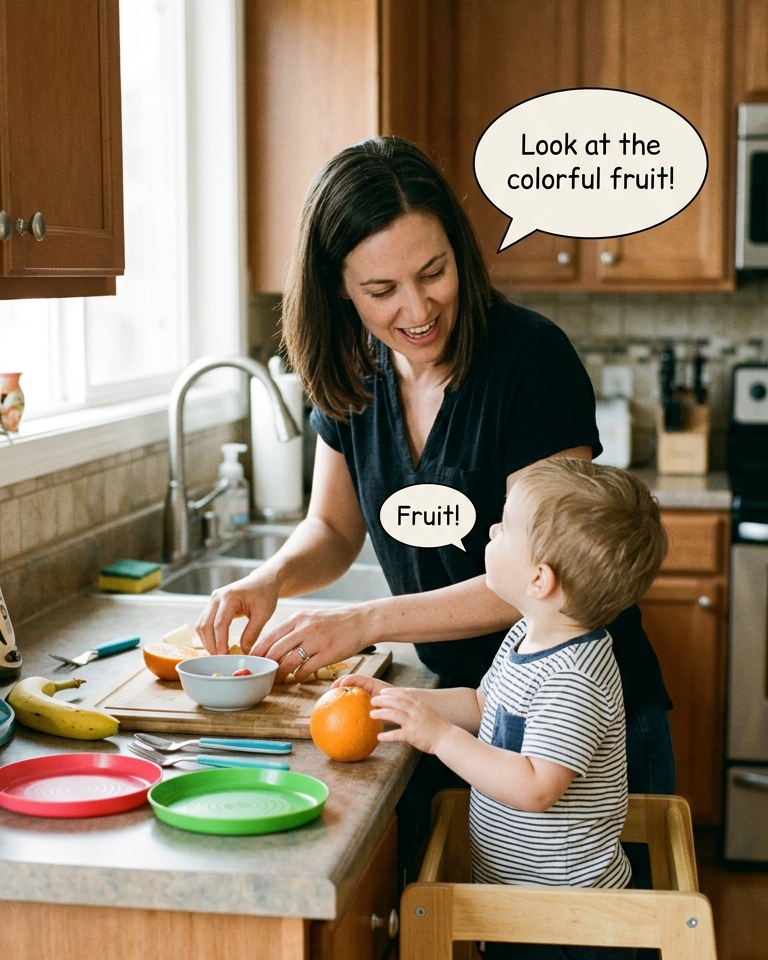
Talk Throughout the Day
One of the most powerful ways to support language development is simply talking with your child often.
Describe what you are doing during daily activities such as:
Getting dressed
Preparing meals
Playing with toys
Going for walks
For example:
“Let’s put on your shoes.”
“Look at the big truck.”
“Time to wash your hands.”
Hearing language used in context helps toddlers connect words with meaning.
Follow Your Child’s Interests
Children learn language best when they are engaged. Instead of directing play, try observing what your child is interested in and talking about that activity.
If your child is playing with cars, you might say:
“The car is fast.”
“Go car go!”
“The red car is driving.”
This approach keeps communication fun and natural.
Model Simple Language
Using short, clear phrases can help toddlers learn new words.
For example:
Instead of saying
“Do you want to go outside and play in the backyard?”
Try
“Go outside.”
“Play outside.”
As children develop more language, these phrases can gradually become longer.
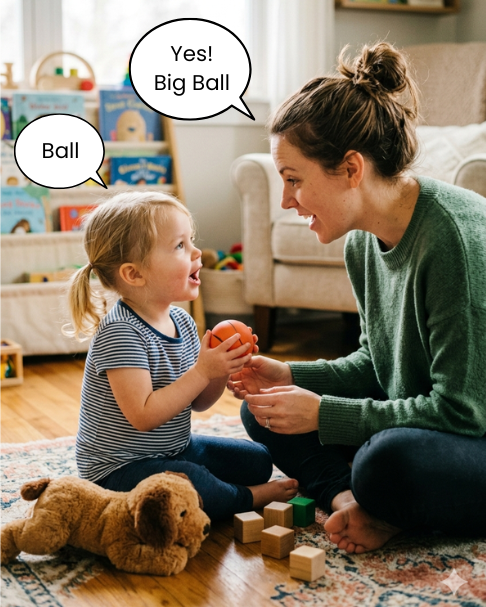
Expand What Your Child Says
When your child says a word, you can help build language by adding one more word.
For example:
Child: “Ball”
Parent: “Big ball”
Child: “Dog”
Parent: “Brown dog”
This technique helps children learn how words combine to form sentences.
Give Your Child Time to Respond
Sometimes toddlers need a little extra time to process language and respond.
After asking a question or making a comment, pause for a few seconds to allow your child to try communicating.
These pauses can create natural opportunities for language.
The Takeaway
Supporting your toddler’s speech development doesn’t require special lessons. Everyday routines—talking, playing, reading, and exploring together—provide countless opportunities for language learning.
If your child is having difficulty developing speech, a speech-language pathologist can also provide personalized strategies to support communication growth.
With the right support and consistent interaction, many toddlers continue building the language skills they need to communicate confidently with the people around them.
And if there’s anything we can do to help, or any questions you may have just give us a call or shoot us an email!
If you missed our former posts about “Why Isn’t My Toddler Talking Yet” or “My toddler isn’t talking. What do I do? Who do I see?” - go check them out!
