
Why Is My Toddler Not Talking Yet?
Why Is My Toddler Not Talking Yet?
One of the most common concerns parents have during the toddler years is: “Why isn’t my child talking yet?” While some toddlers begin using many words early on, others develop speech and language skills more gradually. Understanding what is typical—and when to seek guidance—can help parents feel more confident about their child’s development.
Every Child Develops Language at Their Own Pace
Language development can vary widely between children. Some toddlers are very verbal early on, while others may focus more on physical skills like climbing, exploring, or problem-solving.
However, there are general speech and language milestones that help guide expectations.
By around 12 months, many children:
Use simple sounds or a few words like “mama” or “dada”
Respond to their name
Use gestures such as pointing or waving
By around 18 months, children often:
Say around 10–20 words
Try to imitate new words
Point to things they want
By around 2 years old, many toddlers:
Use 50 words or more
Begin combining words such as “more milk” or “mommy go”
Follow simple directions
If a child is not meeting several of these milestones, parents may begin to wonder if extra support could help.
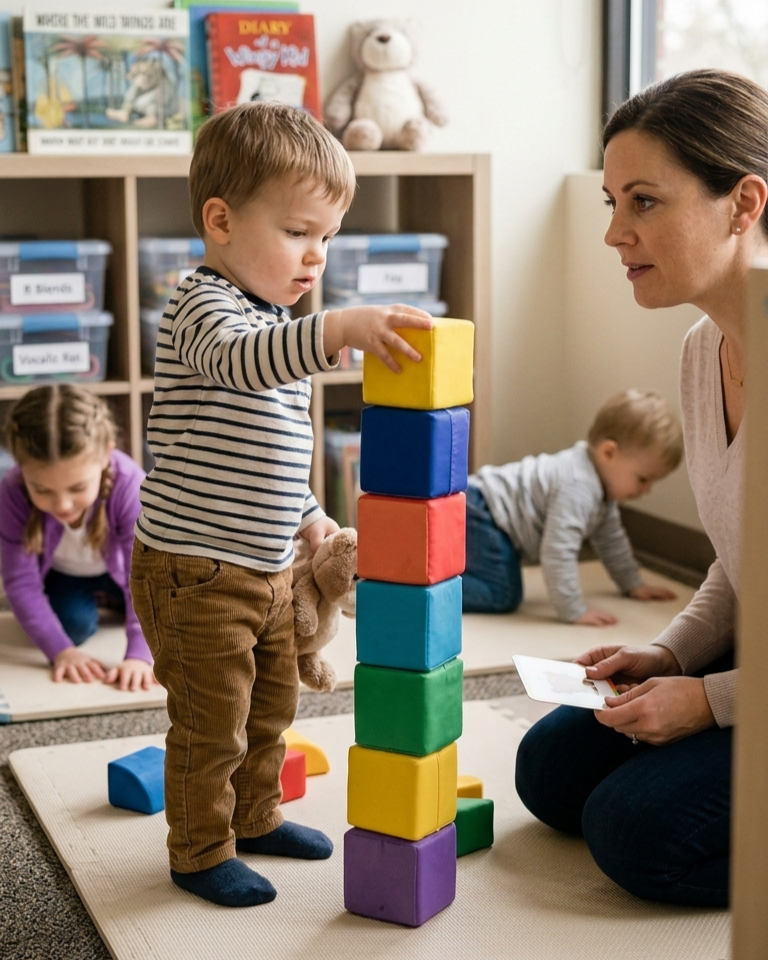
Reasons Some Toddlers Talk Later
There are many reasons why a toddler may not yet be talking as much as expected. Some children are simply late talkers and catch up naturally over time. Other factors can also influence speech development.
Possible reasons may include:
A child focusing more on motor or physical development
Limited opportunities to hear or practice language
Hearing difficulties
Challenges with expressive language development
Differences in how children process or use language
In many cases, a child’s understanding of language develops before their ability to speak.
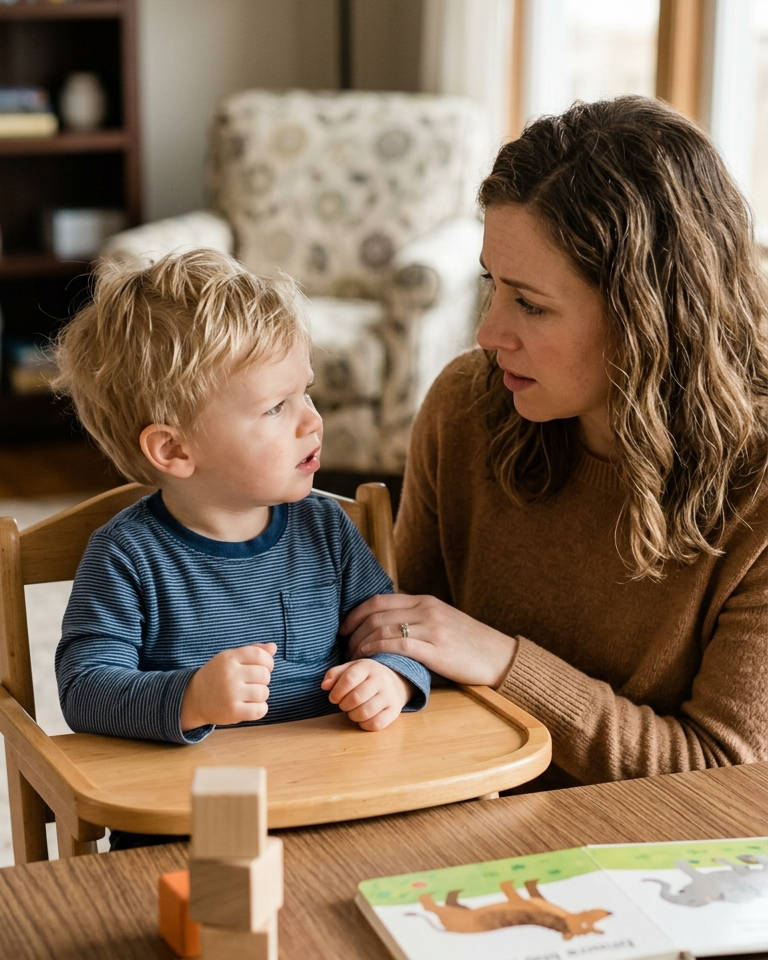
Signs Parents May Want to Monitor
Parents may want to seek guidance if they notice:
Few or no words by 18 months
Limited attempts to imitate sounds or words
Difficulty following simple directions
Limited use of gestures like pointing or waving
Frustration when trying to communicate
Early support can help identify whether a child simply needs more opportunities to practice language or whether additional services may be beneficial.
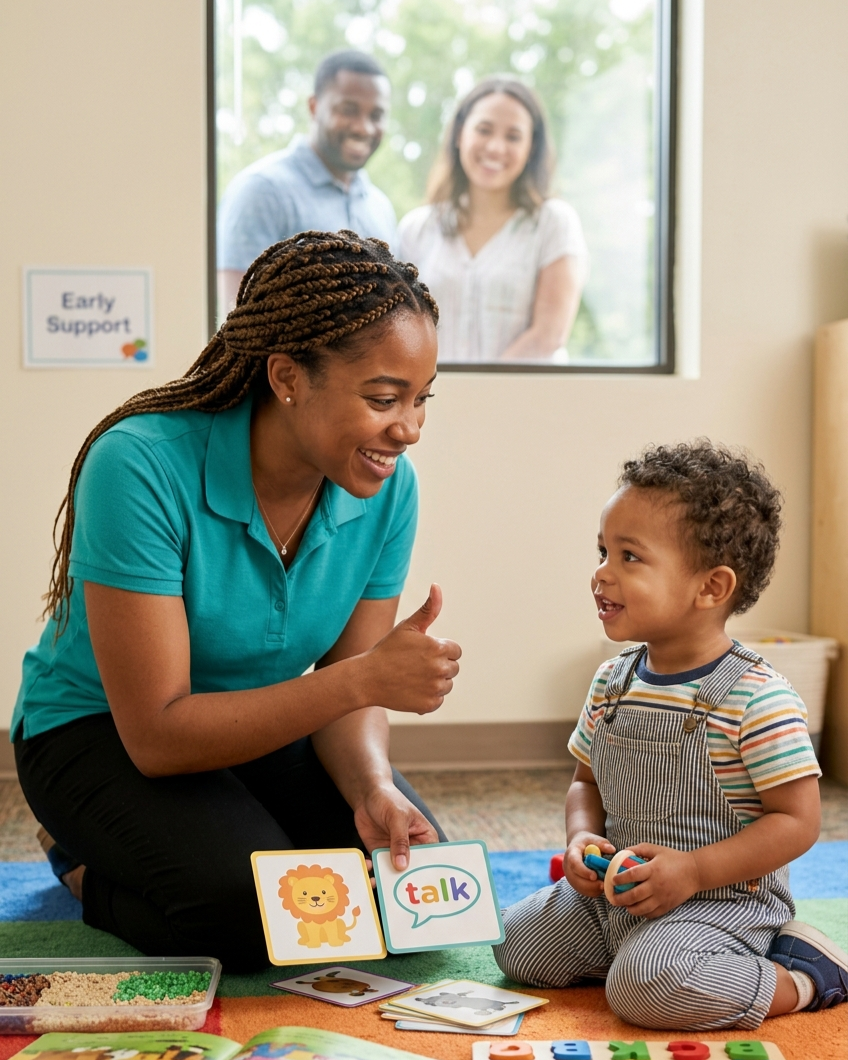
The Importance of Early Support
Speech and language skills are closely connected to social interaction, learning, and emotional development.
When children are able to express their needs and ideas, they often experience less frustration and greater confidence.
If you have concerns about your toddler’s communication development, speaking with a professional can help provide guidance and reassurance.
Coming Next in This Series
Many parents who notice speech delays wonder:
“What should I do next, and who should my child see?”
In the next blog, we’ll explore the professionals who can evaluate speech development and what happens during the evaluation process.
BUT, if you have any questions and want answers, we’re here to help. Feel free to email or call us 856-492-1355
