
Tummy Time = Tears? These PT-Proven Tips Can Help

If tummy time feels like a battle in your home, you’re not alone. Many babies fuss or cry when placed on their bellies, especially early on. The good news? Tummy time doesn’t have to start on the floor, and it doesn’t have to be perfect to be effective.
With a few physical-therapy–approved strategies, tummy time can become more comfortable, engaging, and successful—for both baby and caregiver.
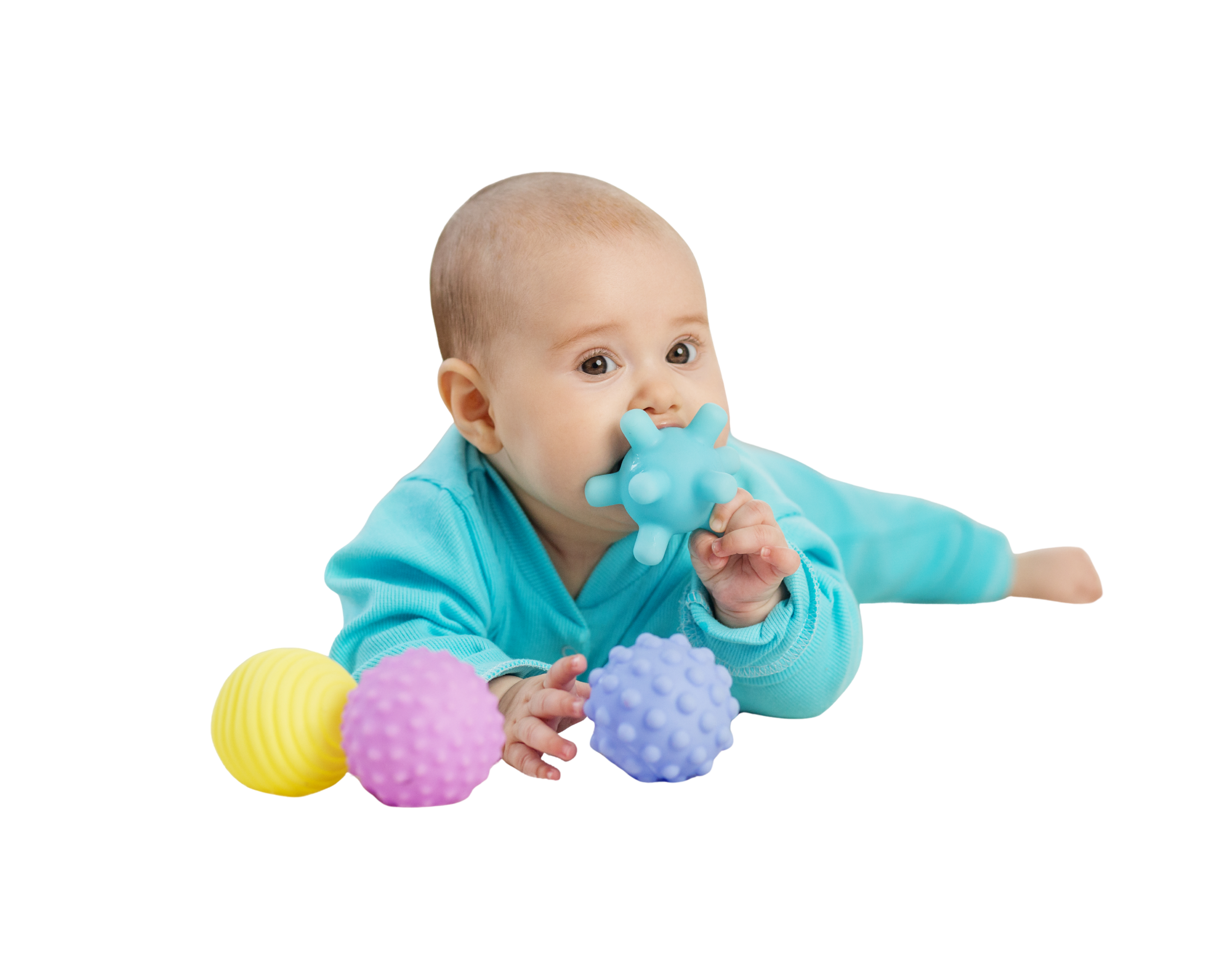
Why It Matters
Tummy time plays a critical role in your baby’s development. It helps build the foundational strength and movement patterns needed for future milestones
Tummy time:
Builds neck and core strength
Supports rolling and crawling
Helps prevent flat head (plagiocephaly)
Encourages head turning in both directions
Prepares baby for sitting
Tummy time can begin the day you bring your baby home—even in short, supported bursts.

If your baby cries as soon as you place them on their tummy, it doesn’t mean they “hate” tummy time—it often just means the position feels hard.
Tummy time doesn’t have to start on the floor. Try:
Chest-to-chest tummy time
Placing baby on your lap
Reclining back and letting baby lie on your chest
These positions reduce the demand on your baby’s muscles while still building strength and tolerance.
Face Planting
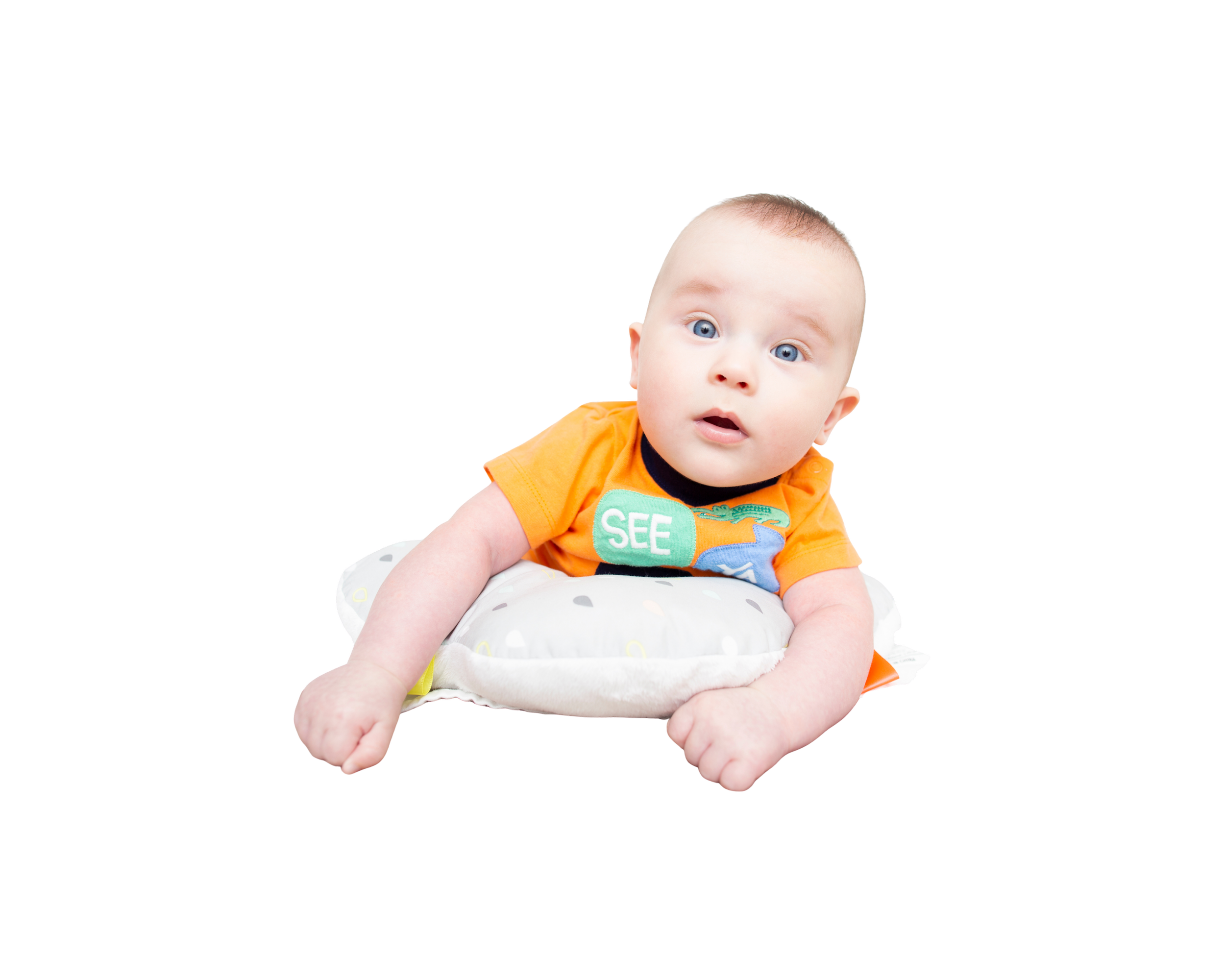
If your baby face-plants or struggles to lift their head, a little support can go a long way.
Try:
Placing a rolled towel or small pillow under the chest
Bringing toys slightly up at eye level
Aim to get the elbows supported underneath the shoulders. This alignment helps babies push up more easily and build strength without becoming overwhelmed.
Gets Bored Fast
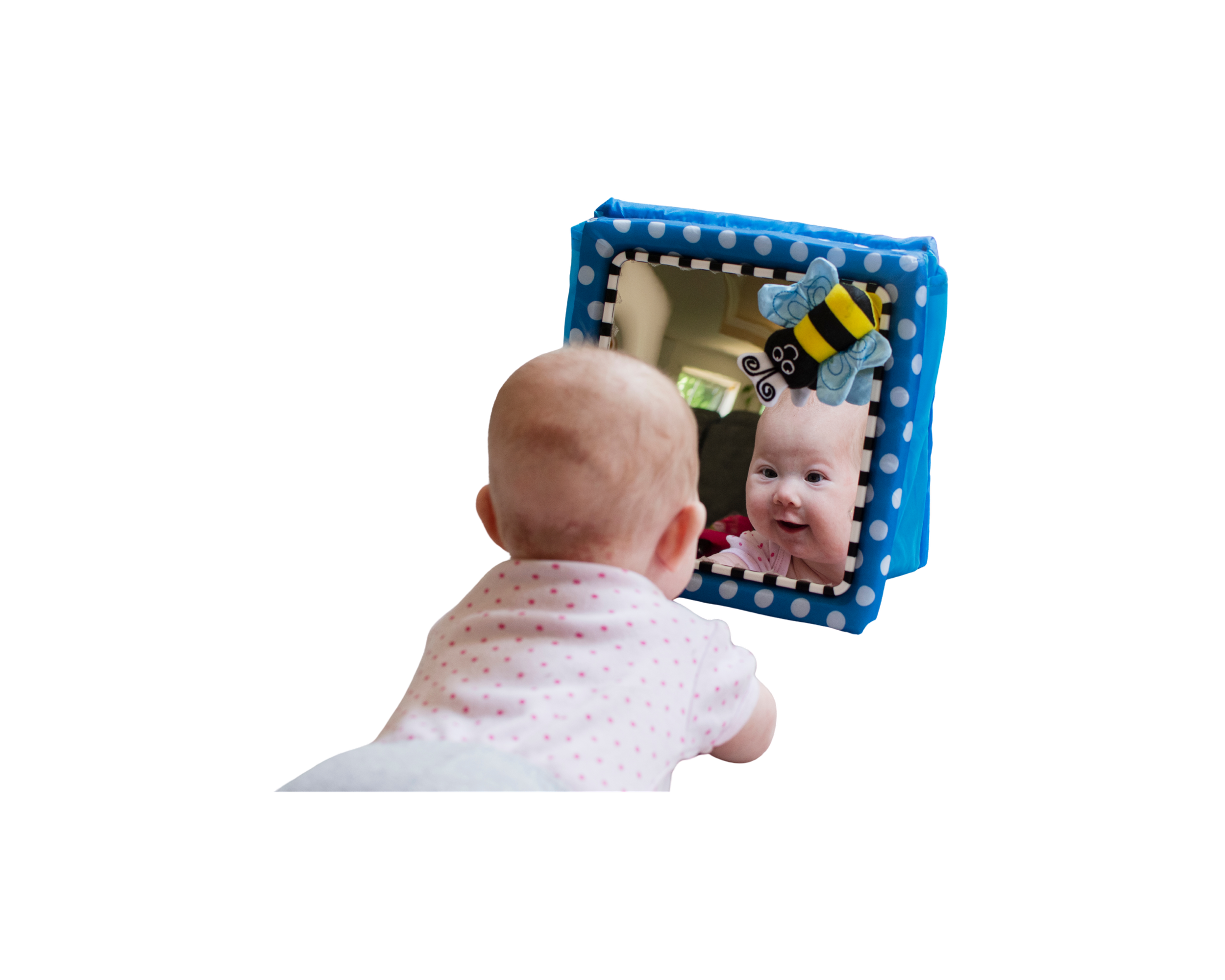
Engagement matters. Babies are more likely to tolerate tummy time when it’s interesting and interactive.
If your baby loses interest quickly, try:
A mirror placed at eye level
High-contrast toys
Singing, talking, or getting down face-to-face
Inviting siblings to join
Tummy time doesn’t have to be quiet or still—it can be playful, social, and fun.
Doesn’t Last Long
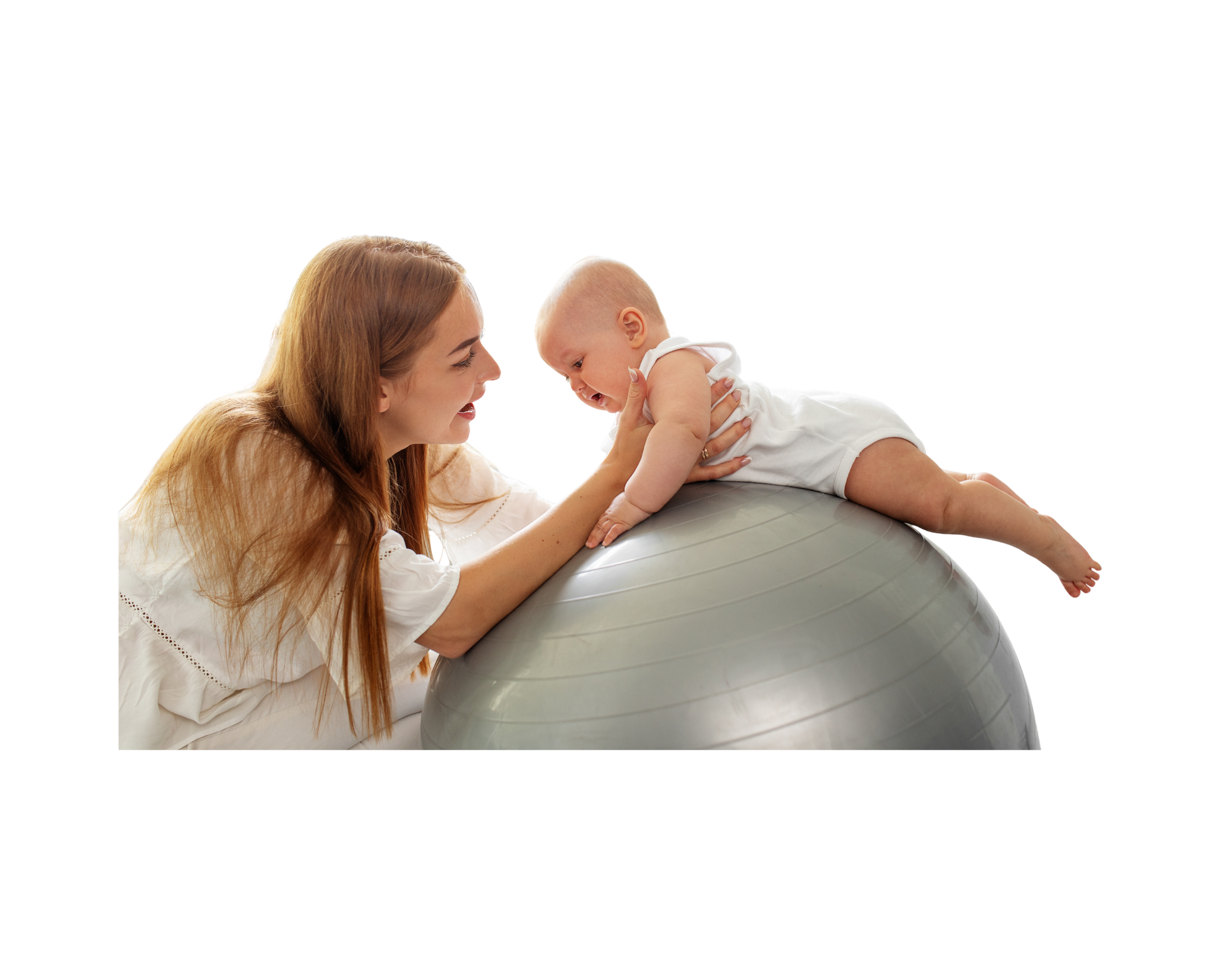
Short and frequent still counts. Many babies do better with multiple brief sessions instead of long stretches.
If tummy time doesn’t last long, try:
5–10 short sessions per day
After diaper changes
Before feeds (not right after)
When in doubt—bounce it out! Movement and variety can help reset tolerance and build endurance over time.

When to Seek Help
Early support can make a big difference. Consider reaching out to a pediatric physical therapist if your baby has:
A preference to only look to one side or a noticeable head tilt
A flat spot forming on the head
Very limited tolerance for tummy time
Stiff or floppy movements
Pediatric PT can help identify what’s making tummy time challenging and provide strategies tailored specifically to your baby.