
Is This Normal?
Is This Normal?
Movement Questions Pediatric PTs Hear Every Day
Sara Brandt, PT, DPT, CEIM
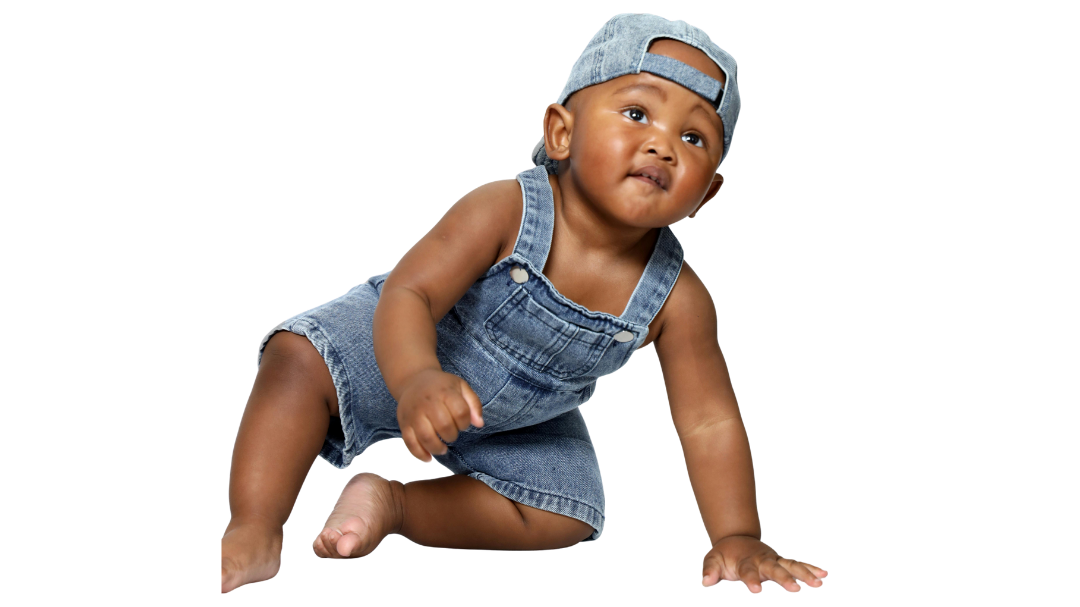
If you’ve ever watched your baby or toddler move and thought, “Is this normal?” — you’re not alone. These are some of the most common movement questions pediatric physical therapists hear every day.
Every child develops at their own pace, but movement patterns matter, not just milestones. Below are some common concerns and guidance on when variation is normal—and when extra support may be helpful.

Is it normal if my baby always looks to one side?
It’s common in the first few weeks for babies to show a side preference, especially after time spent in similar positions.
However, it’s worth checking in if:
Your baby resists turning their head the other way
Head shape looks uneven
Tummy time or feeding feels difficult
Pediatric physical therapy helps with neck mobility and comfortable positioning early on, which can support more symmetrical movement and help prevent head shape concerns.
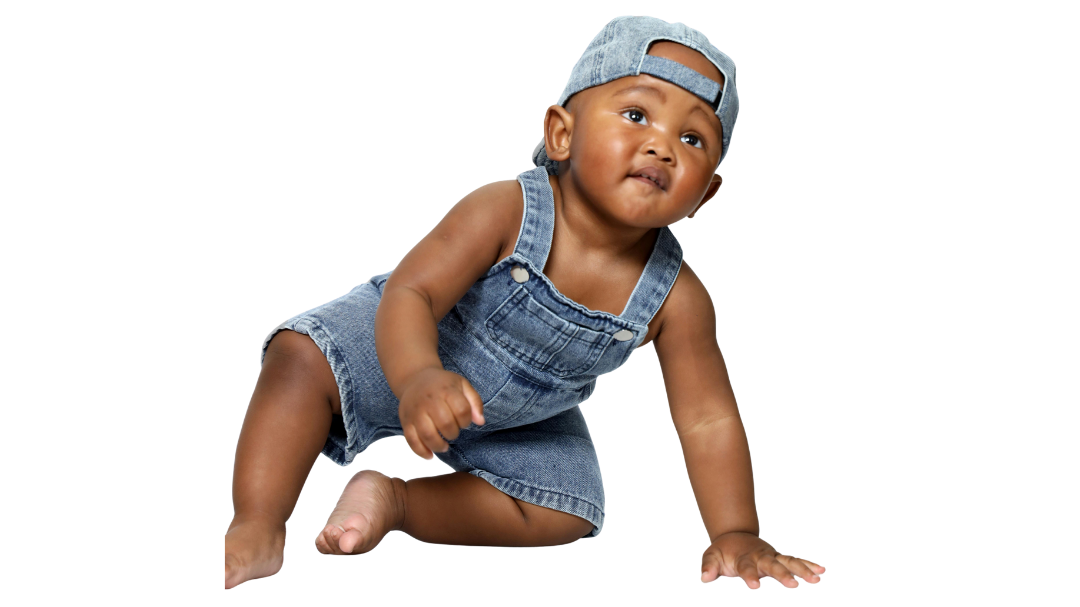
Is it normal if my baby isn’t crawling?
Some variation in crawling styles and timelines can be normal. However, certain movement patterns can impact strength, coordination, and later motor skills.
Consider support if your baby:
Only hitch crawls (using one leg)
Butt scoots as their main way to move
Avoids weight-bearing through their hands
A pediatric PT can help promote balanced strength and coordination, setting a strong foundation for standing and walking.
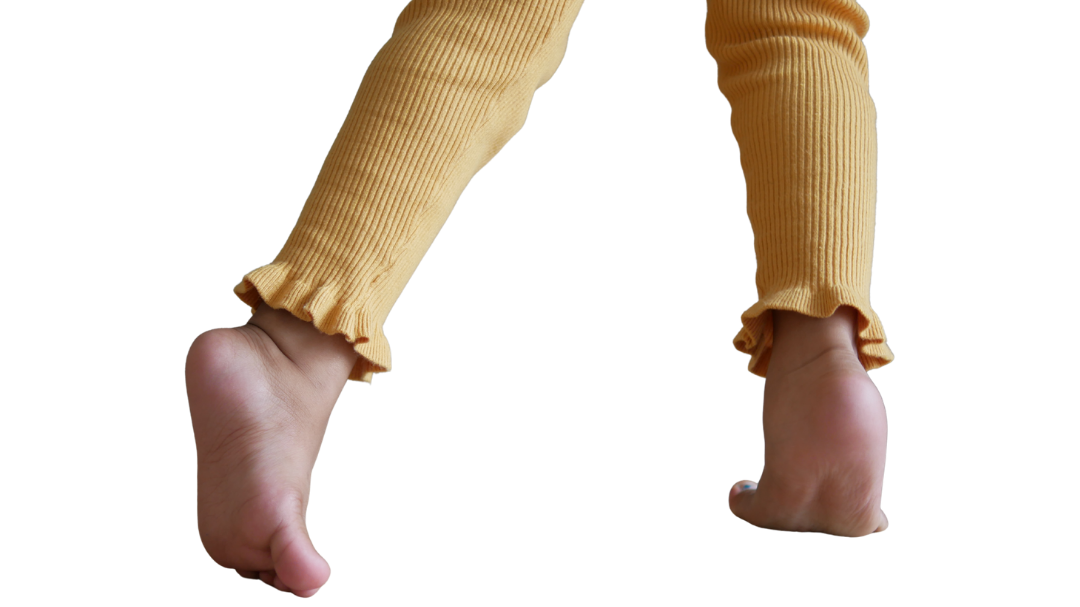
Is it normal if my child stands on their toes?
Brief toe standing can happen early as children learn to stand and walk.
It’s worth checking in if toe standing:
Causes increased falls
Is the only way your child stands or walks
Makes it hard to get heels down or is paired with tight ankles
Pediatric PT focuses on balanced muscle use and flat-footed standing, helping children develop more efficient and stable movement patterns.

Is it normal if my toddler W-sits?
Occasional W-sitting does happen. The concern arises when it becomes a strongly preferred position.
Red flags include:
W-sitting more than 50% of the time
Avoiding other sitting options or tight hips
Balance or coordination seeming more difficult
Pediatric PT works on core strength, hip control, and alternative sitting positions to support better posture and movement variety.
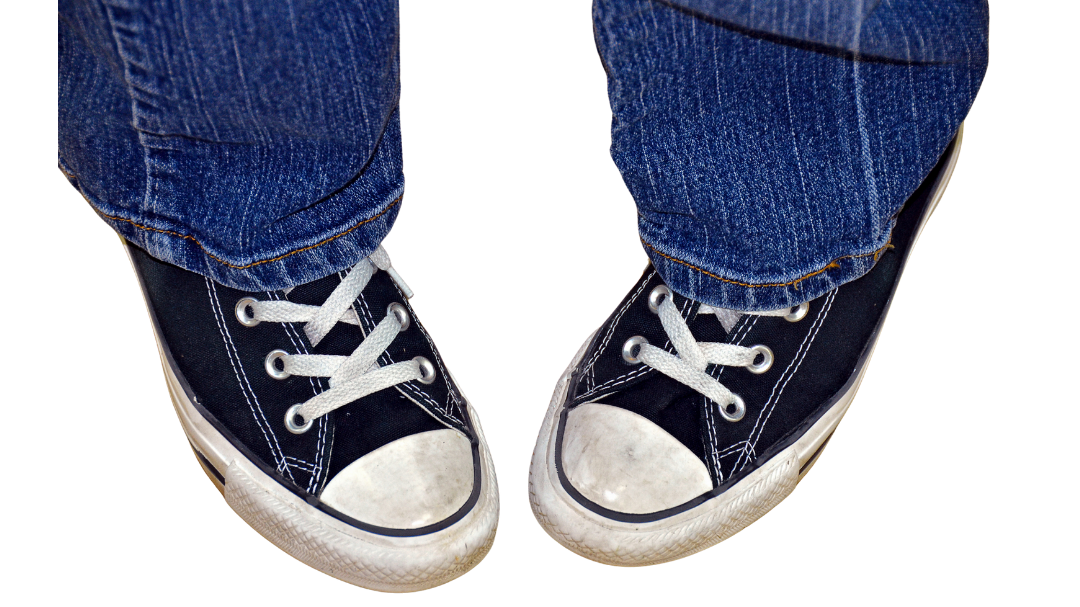
Is it normal if my child walks with toes turned in (pigeon toed)?
In-toeing can be part of typical development and may be seen up to around age 6.
It’s worth monitoring if:
Your child trips or falls often
One side turns in more than the other
It’s accompanied by a strong W-sitting preference
Pediatric PT looks at strength, alignment, and movement patterns to support safe, confident walking.

If you’ve wondered, “Is this normal?” you’re not overthinking it.
🤍 Every child develops at their own pace
🤍 And movement patterns matter — not just milestones
When in doubt, early support is always easier than waiting. Getting guidance early can help address small concerns before they become habits and can offer reassurance during your child’s development.
