
How to Find the Right Pediatric Speech Therapist Near You
Learn how to find the best pediatric speech therapist near you. Key questions to ask, red flags to avoid, and what to look for in quality therapy.
Searching for a “pediatric speech therapist near me” can feel overwhelming.
Not all therapy is created equal—and finding the right fit can make a significant difference in your child’s progress.
Here’s exactly how to choose the right provider.
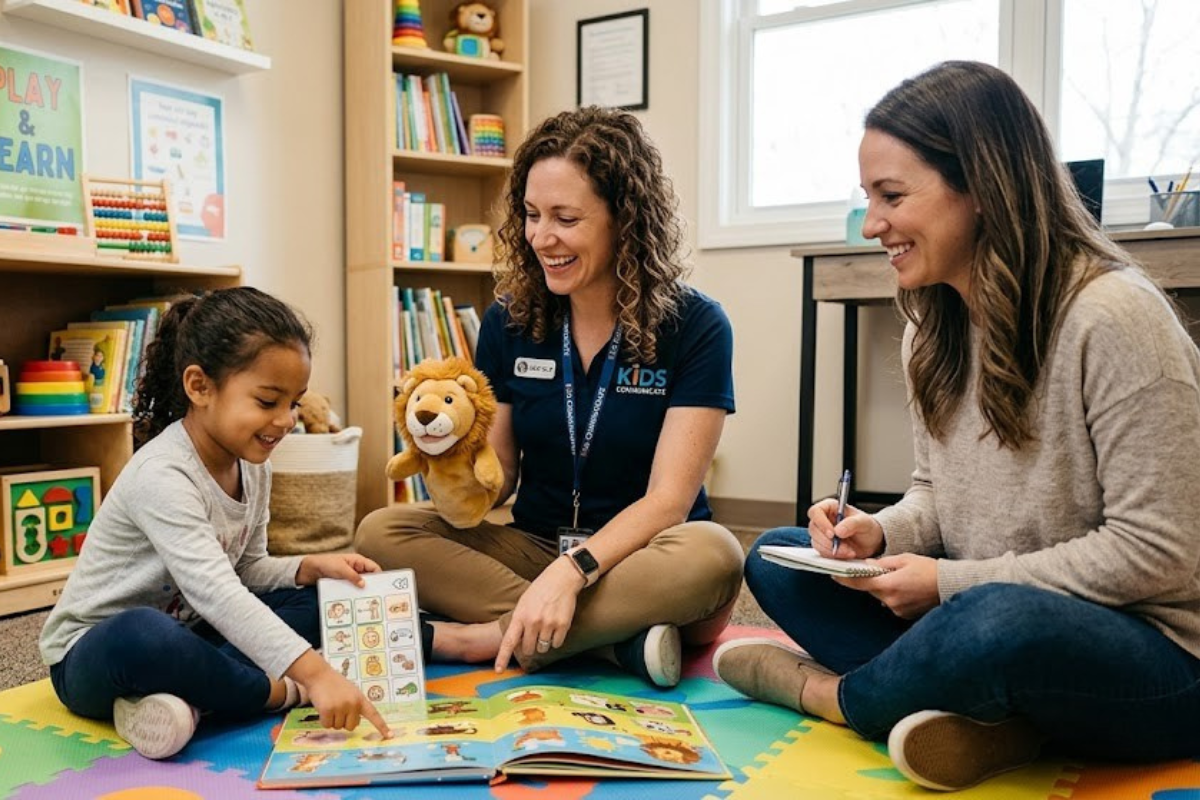
Step 1: Look Beyond “Speech Therapy Near Me”
Anyone can rank on Google—but quality varies.
Instead, focus on:
Experience with your child’s specific needs
Treatment approach
Parent involvement
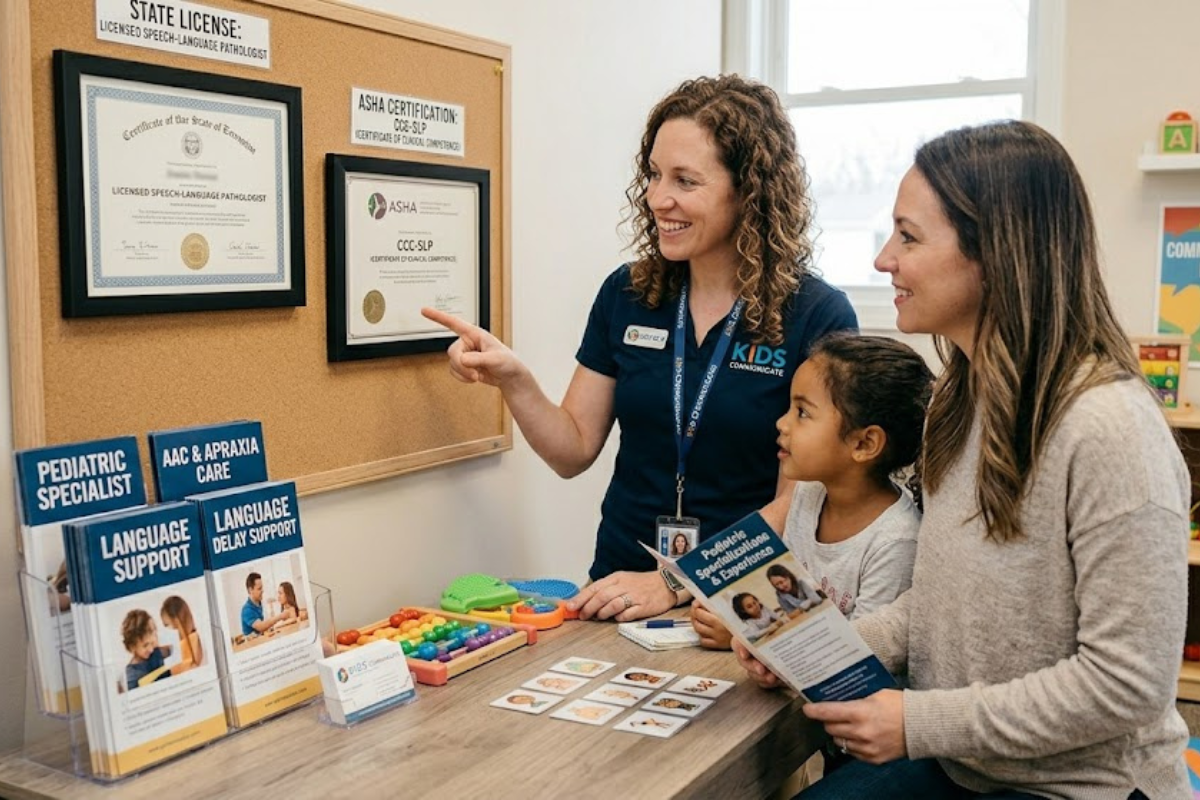
Step 2: Check Credentials (But Don’t Stop There)
Look for:
Licensed Speech-Language Pathologist (SLP)
Certification (CCC-SLP)
But also ask:
Do they specialize in pediatrics?
Do they have experience with your child’s profile (AAC, apraxia, language delay)?
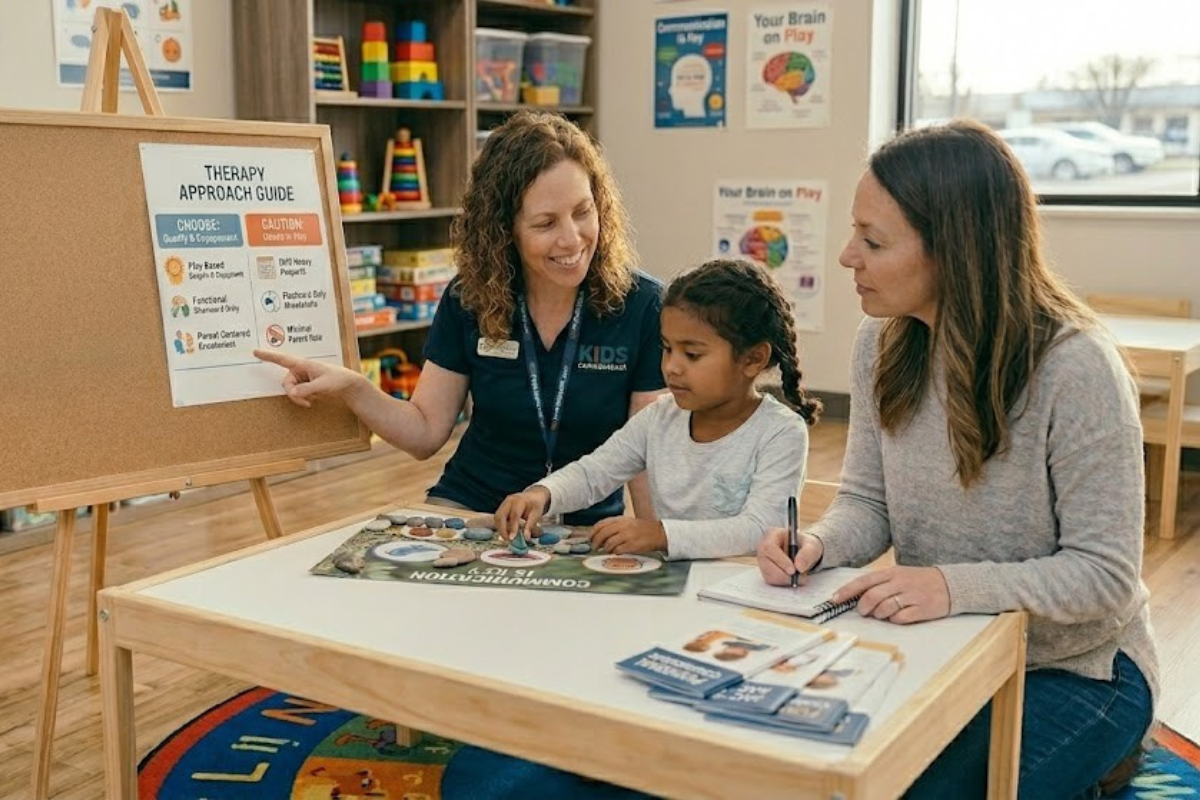
Step 3: Ask About Their Therapy Approach
High-quality therapy should:
Be play-based and engaging
Focus on functional communication
Include parent coaching
Be cautious of:
Drill-heavy, flashcard-only approaches
Minimal parent involvement
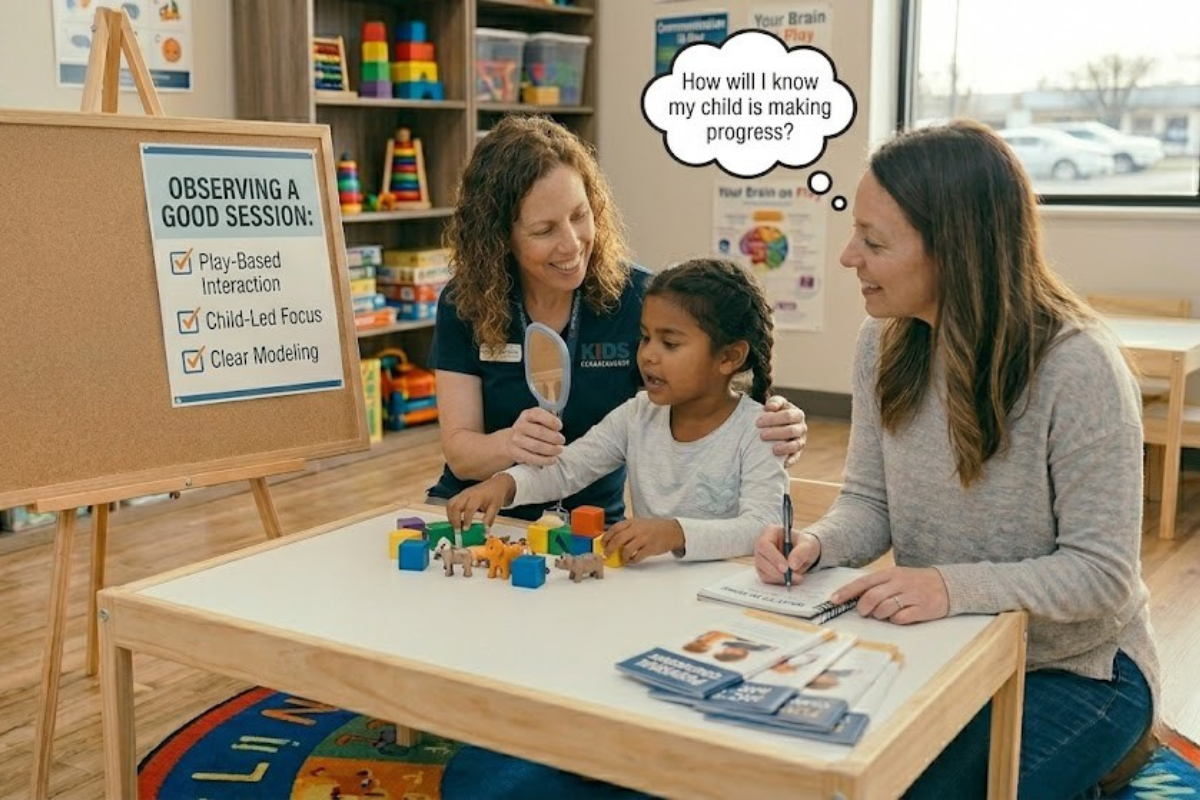
Step 4: Observe or Ask About Sessions
A good session should include:
Interaction (not just testing)
Child-led engagement
Clear modeling of language
Ask:
“How will I know my child is making progress?”
“What will I do at home?”
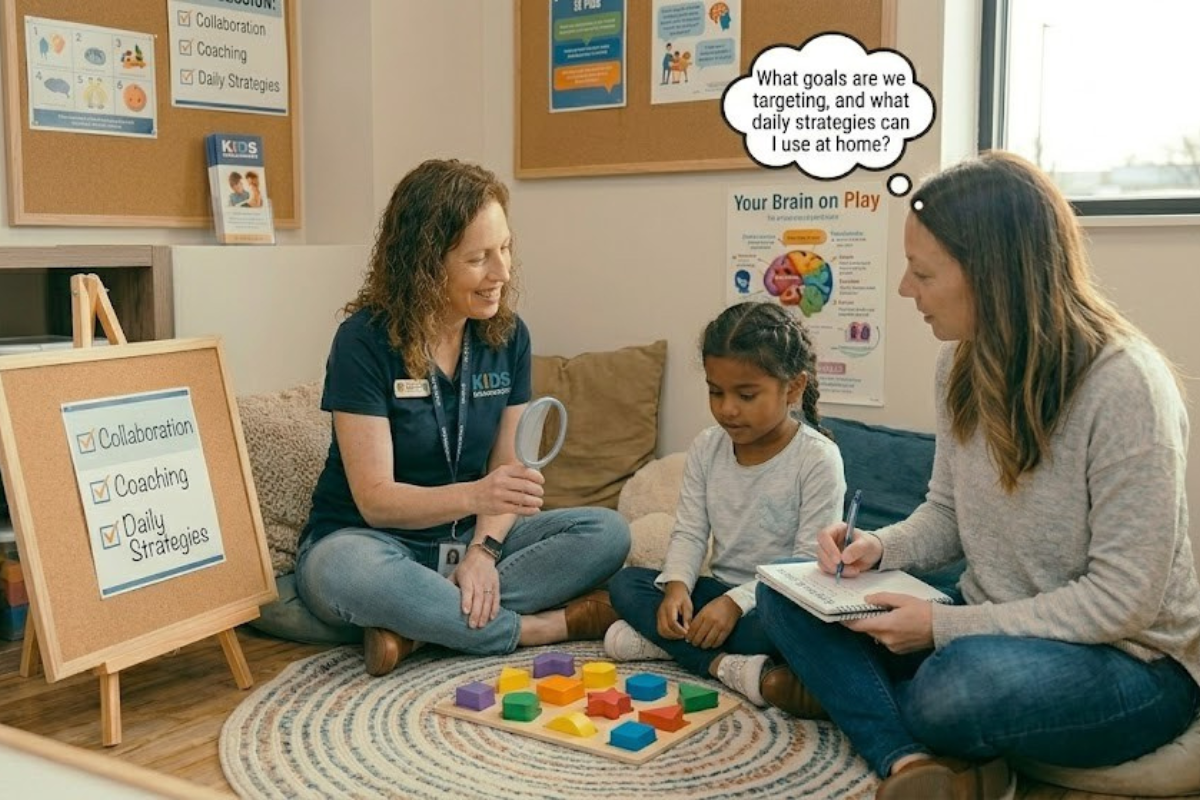
Step 5: Look for Parent Collaboration
The best therapists don’t just work with your child—they work with you.
You should leave sessions knowing:
What strategies to use
What goals you’re targeting
How to support progress daily
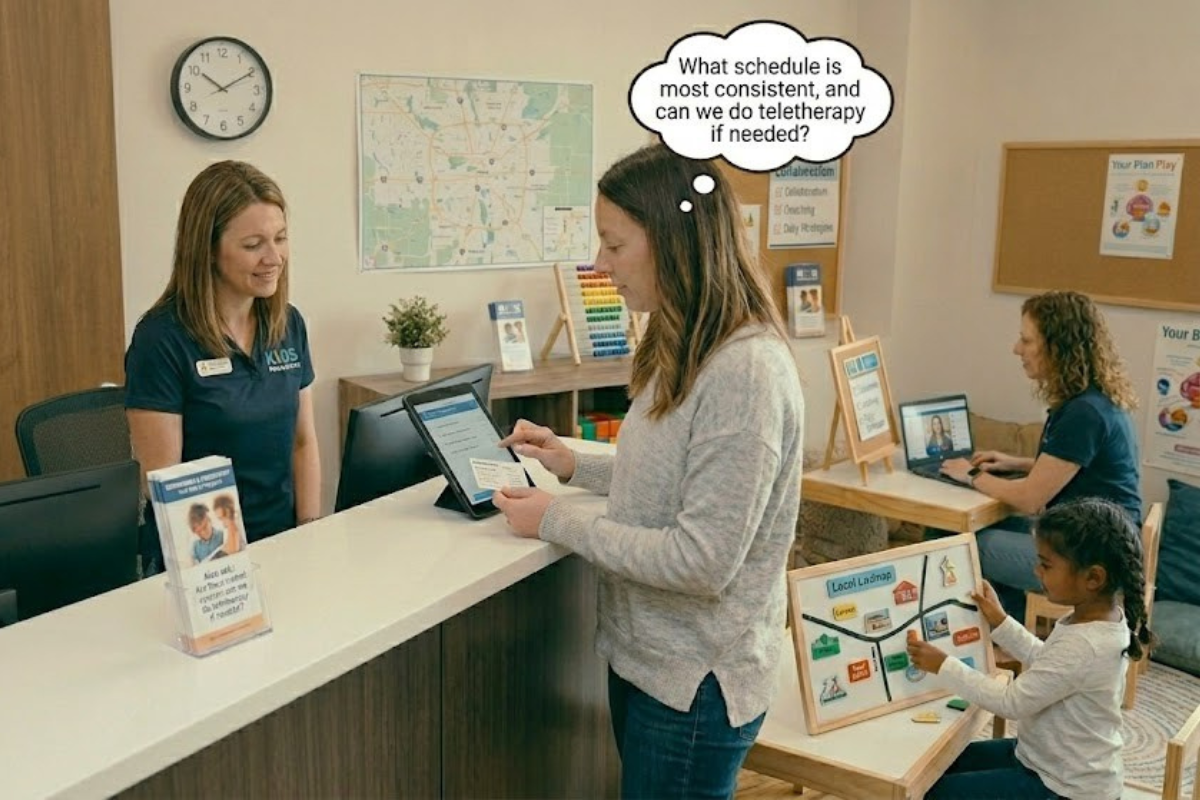
Step 6: Consider Convenience and Consistency
Progress requires:
Regular attendance
Manageable scheduling
Look for:
Location
Availability
Teletherapy options (if needed)
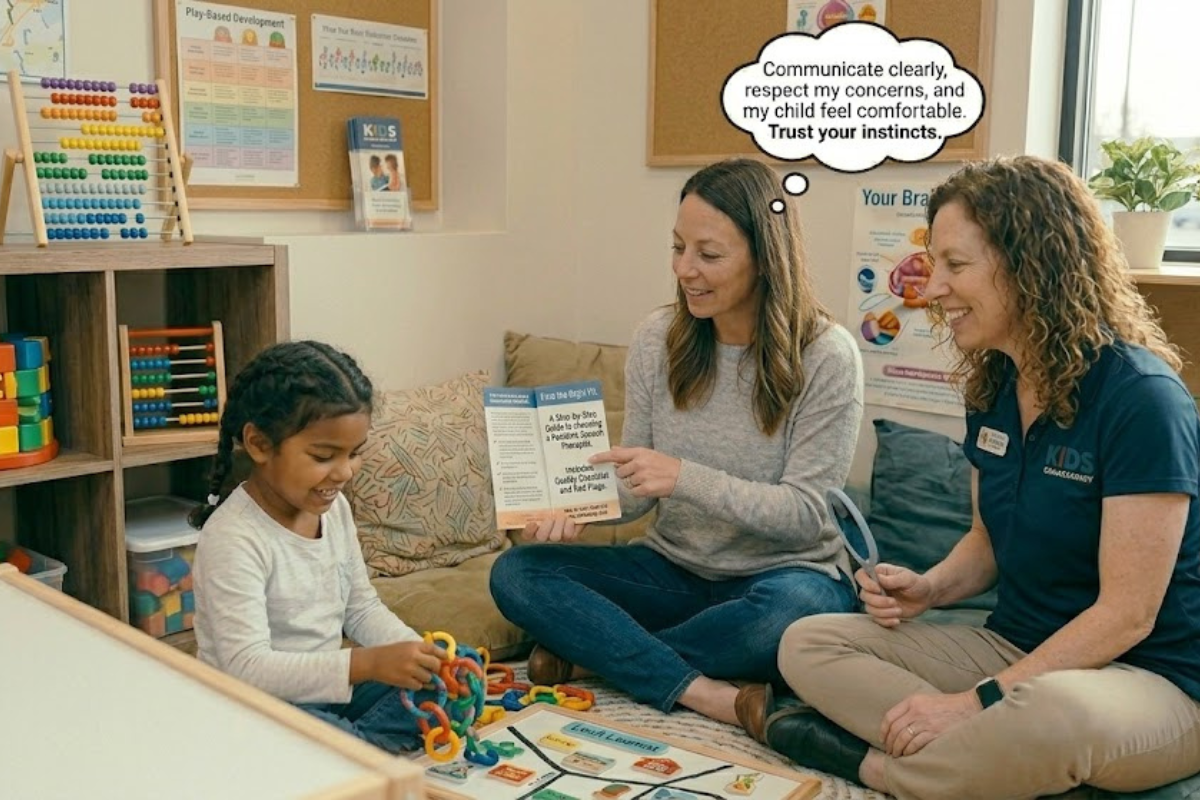
Step 7: Trust Your Instincts
If something feels off, it probably is.
The right therapist will:
Communicate clearly
Respect your concerns
Make your child feel comfortable
Red Flags to Watch For
No clear goals
Limited communication with parents
One-size-fits-all approach
Lack of measurable progress
The Bottom Line
Finding the right speech therapist isn’t just about proximity—it’s about fit, expertise, and approach.
The right therapist won’t just help your child talk—they’ll help them communicate effectively and confidently.
