
Does My Child Need Occupational Therapy? 15 Signs Parents Should Know
Every child develops at their own pace, but sometimes everyday tasks can feel harder than they should.
Occupational therapy (OT) can help children build skills for playing, learning, getting dressed, eating, participating at school, and becoming
more independent.
So how do you know if your child might benefit from OT?
Here are 15 signs to look for.
These signs don't necessarily mean your child needs OT. If they're consistently affecting your child's daily activities, an occupational
therapy evaluation can help you understand why.
Fine Motor
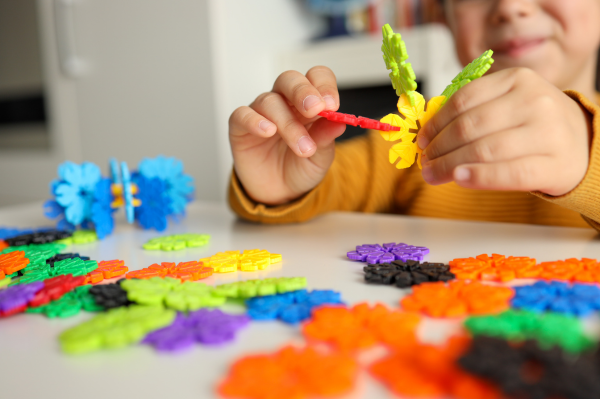
1. Fine-motor tasks are difficult.
Your child may struggle with scissors, crayons, puzzles, small toys, buttons, or using utensils.

Handwriting
2. Writing is frustrating or tiring.
They may avoid writing, have difficulty forming letters, struggle with spacing, or complain that their hand hurts or gets tired.


Sensory
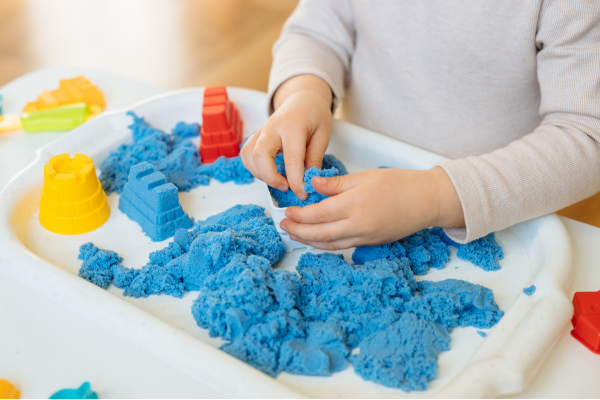
3. Your child has strong reactions to sensory experiences.
Certain sounds, clothing textures, food textures, messy play, hair washing, or busy environments may feel overwhelming.

Attention
4. Your child has trouble staying focused.
They may become distracted easily, leave tasks unfinished, or need frequent reminders to stay on task.


Regulation
5. Big emotions or transitions are difficult.
Your child may have frequent meltdowns, become overwhelmed easily, or have trouble calming down after becoming upset.

Dressing
6. Getting dressed takes a lot of help.
They may struggle with shirts, socks, shoes, zippers, buttons, or figuring out the steps involved in getting dressed.

Feeding
7. Eating or trying new foods is a struggle.
Your child may have a very limited food selection, avoid certain textures, have difficulty using utensils, or become upset when preferred foods aren't available.

Motor Planning
8. New movements are hard to figure out.
Your child may struggle to learn how to ride a bike, use playground equipment, copy movements, or complete new physical activities.

9. Your child seems unusually uncoordinated.
Frequent tripping, bumping into things, difficulty catching a ball, or avoiding physical activities may point to challenges with coordination.
School Participation
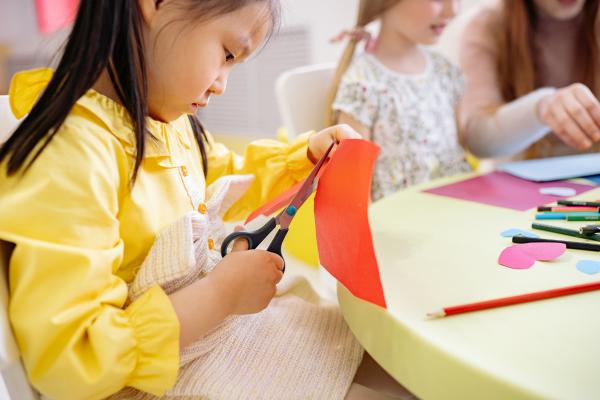
10. Classroom activities are challenging.
Your child may have difficulty with cutting, coloring, writing, using school supplies, following routines, or completing classroom work.
11. They avoid activities that feel difficult.
Saying “I can't do it,” refusing to participate, or becoming frustrated quickly may sometimes mean the activity requires skills that are challenging for
your child.
Independence
12. Everyday self-care still requires significant help.
Your child may need extra assistance with brushing teeth, washing hands, using utensils, managing clothing, or other age-appropriate routines.

13. Multi-step routines are difficult.
Getting ready for school, packing a backpack, cleaning up, or getting ready for bed may require constant reminders.
14. Your child gets frustrated when trying to do things independently.
They may give up quickly, become upset, or immediately ask for help when a task doesn't go as planned.
15. These challenges are getting in the way of everyday life.
The biggest question isn't whether your child has every sign on this list.
It's whether these challenges are making it harder for your child to play, learn, participate, or become more independent.
Could Occupational Therapy Help?
An OT evaluation can help identify the skills that may be making everyday activities difficult and determine what support your child may need.
If you've noticed some of these challenges, you don't have to figure it out alone.
Wondering If OT Could Help Your Child?
Schedule an occupational therapy evaluation at Elevate Health & Therapeutic Services in Mount Laurel or Eastampton, NJ.
Let's help your child build the skills they need to play, learn, participate, and become more independent.
