
Understanding the “Why”… Toe Walking
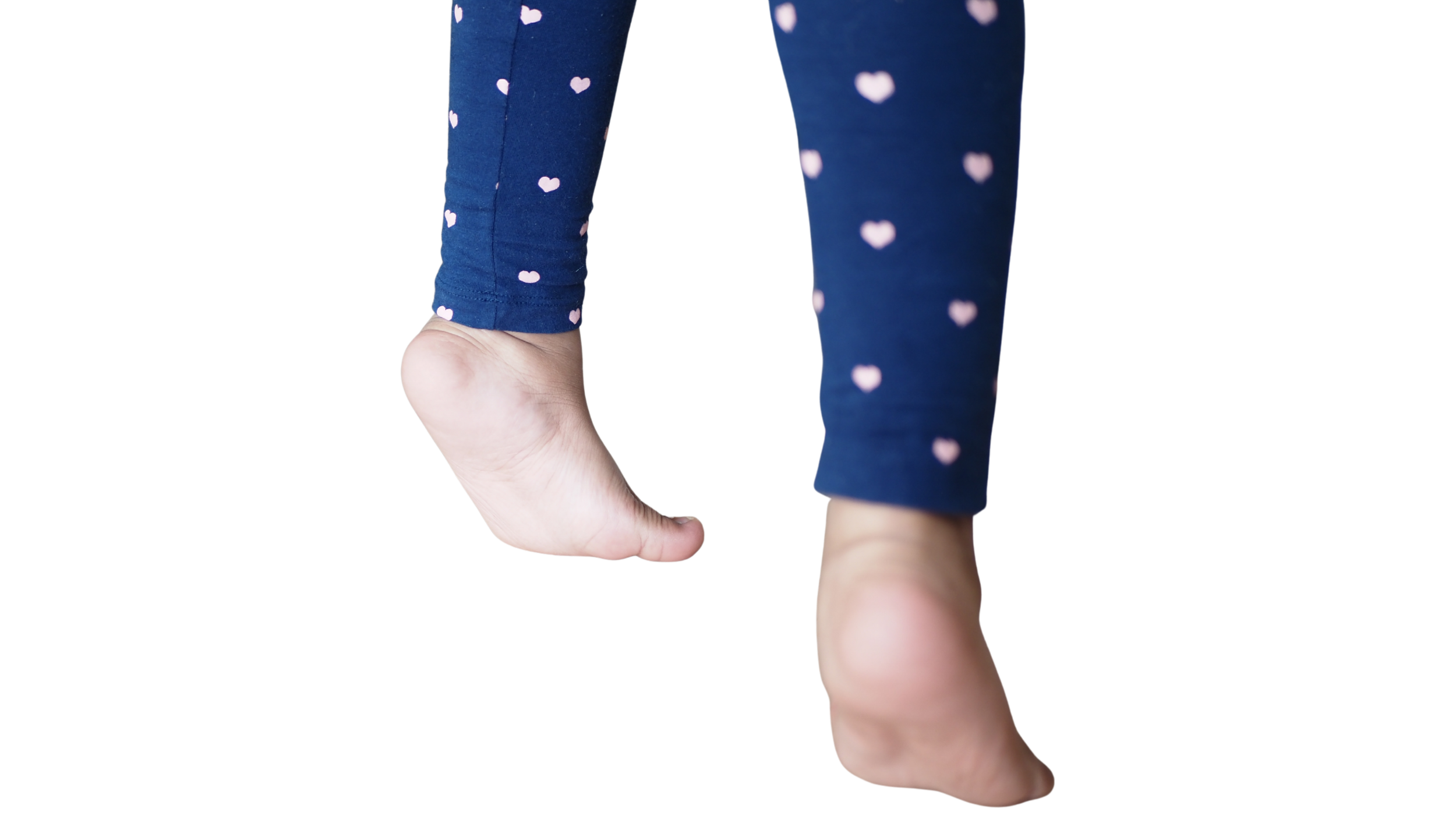
Toe walking is something many parents notice as their child begins to explore standing and walking. While it can be a normal phase early on, persistent toe walking often has more than one contributing factor. Understanding why a child is toe walking helps guide the right type of support and ensures we’re addressing the root of the movement pattern—not just the symptom.
Toe walking can have more than one cause, and it often isn’t just one thing. Pediatric physical therapy looks at the whole child, including strength, movement patterns, flexibility, balance, and sensory processing.
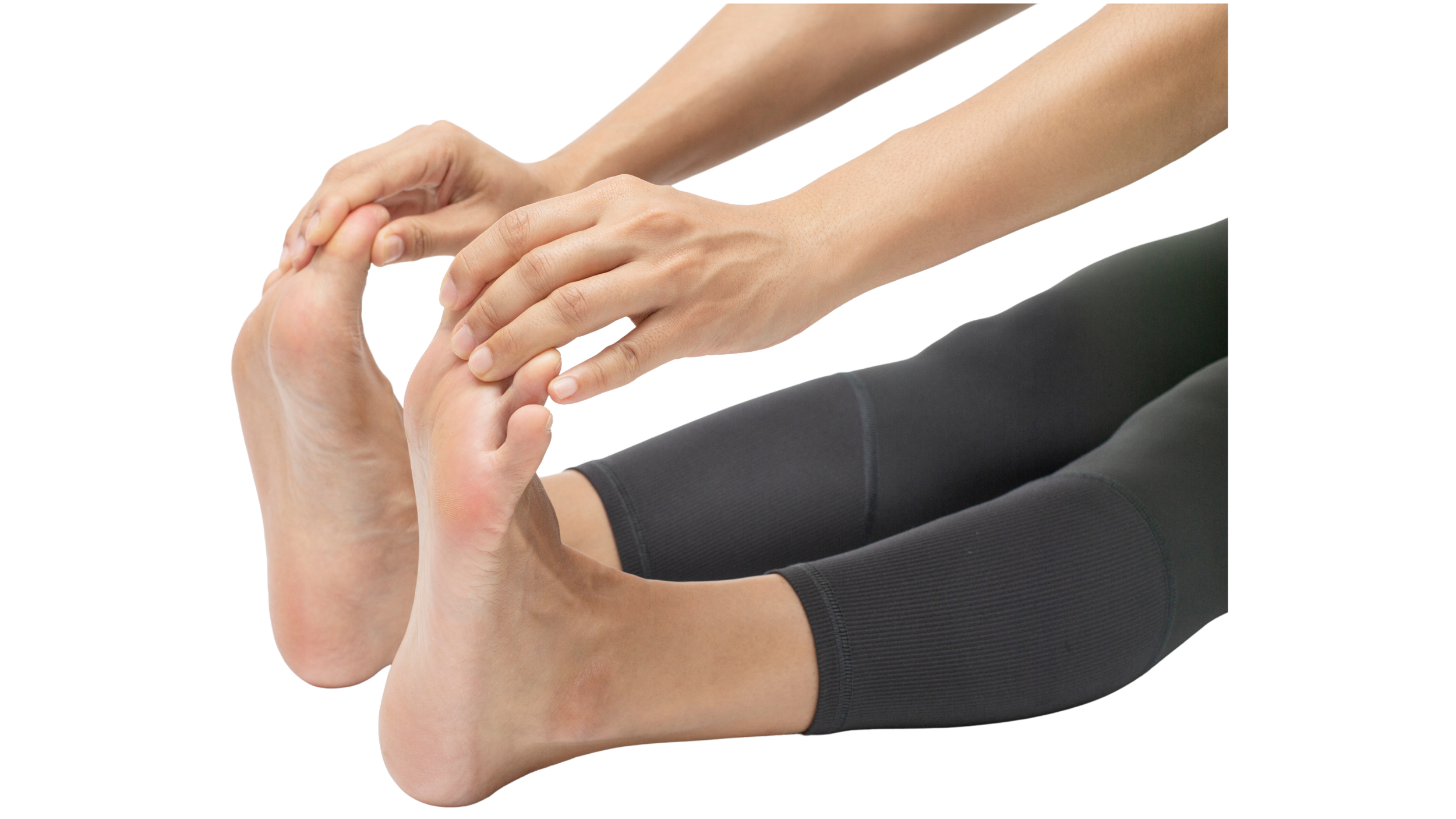
Tight Calf Muscles
Children with tight calf muscles or limited ankle flexibility may have difficulty bringing their heels fully down to the floor. When this happens, toe walking can actually feel easier or more comfortable than walking with a flat foot.
You may notice:
Heels struggling to reach the floor during walking or standing
A preference for being up on the toes
Resistance to stretches or difficulty maintaining heel contact
While stretching is often suggested, stretching alone is rarely enough. Pediatric PT looks at calf flexibility together with strength, posture, and how a child moves through space to create lasting change.
Sensory Avoiding
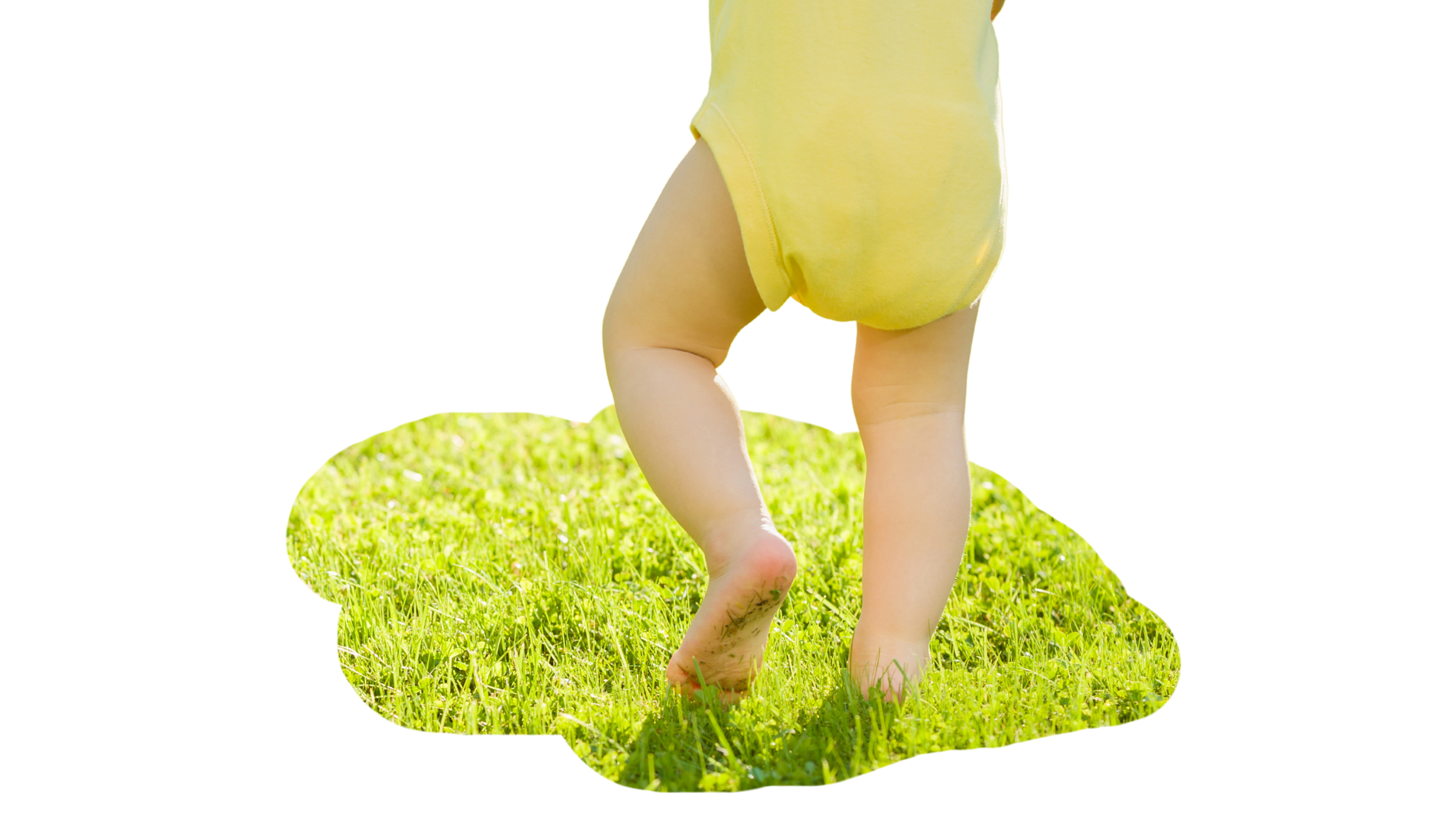
Some children toe walk because they are avoiding certain sensory input, especially from the bottoms of their feet. Different floor textures—tile, grass, sand, hardwood—can feel overwhelming.
In these cases:
The sensation of the floor may feel like “too much”
Keeping heels down increases surface contact
Toe walking reduces how much of the foot touches the ground
Support focuses on gradual exposure to different surfaces while pairing movement with strategies that help the nervous system feel safe and regulated.
Sensory Seeking
Other children toe walk because they are seeking more sensory input. Walking on the toes increases input to the muscles and joints, which can help the body feel more organized.
This pattern is often paired with:
Jumping, crashing, spinning, or climbing
High activity levels
Difficulty sitting still or calming the body
In pediatric PT, support may include heavy work and movement-based input that gives the body what it’s seeking in more efficient and functional ways.
Vestibular Involvement
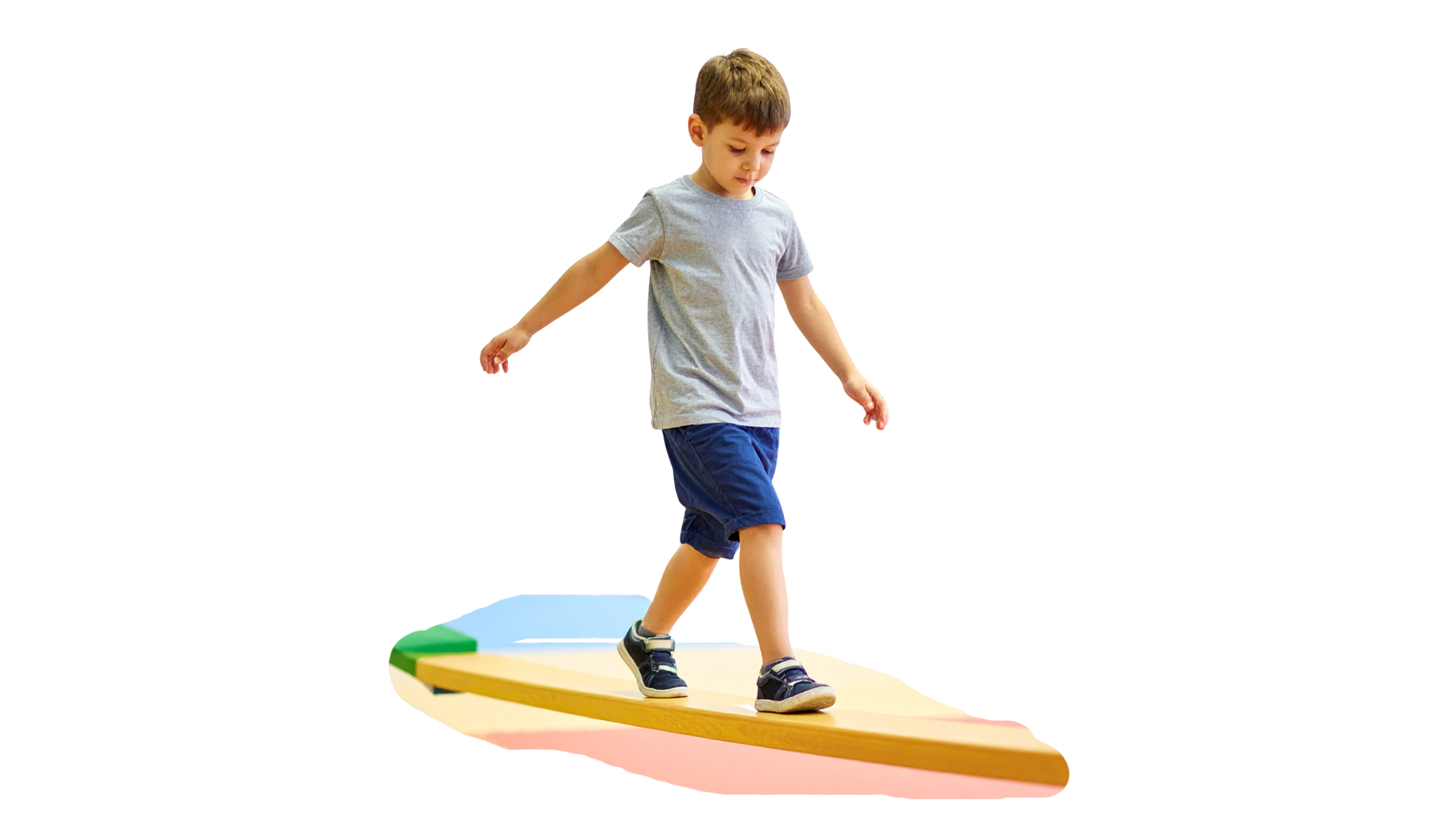
The vestibular system (our balance system) plays a major role in posture, coordination, and movement control. When this system is challenged, toe walking may help a child feel more stable.
You might also notice:
Difficulty stopping or starting movement
Trouble changing directions
Challenges with balance or coordination
For these children, balance and coordination work is key, helping the body learn how to feel stable with heels down and a more efficient walking pattern.
Weak Posterior Chain
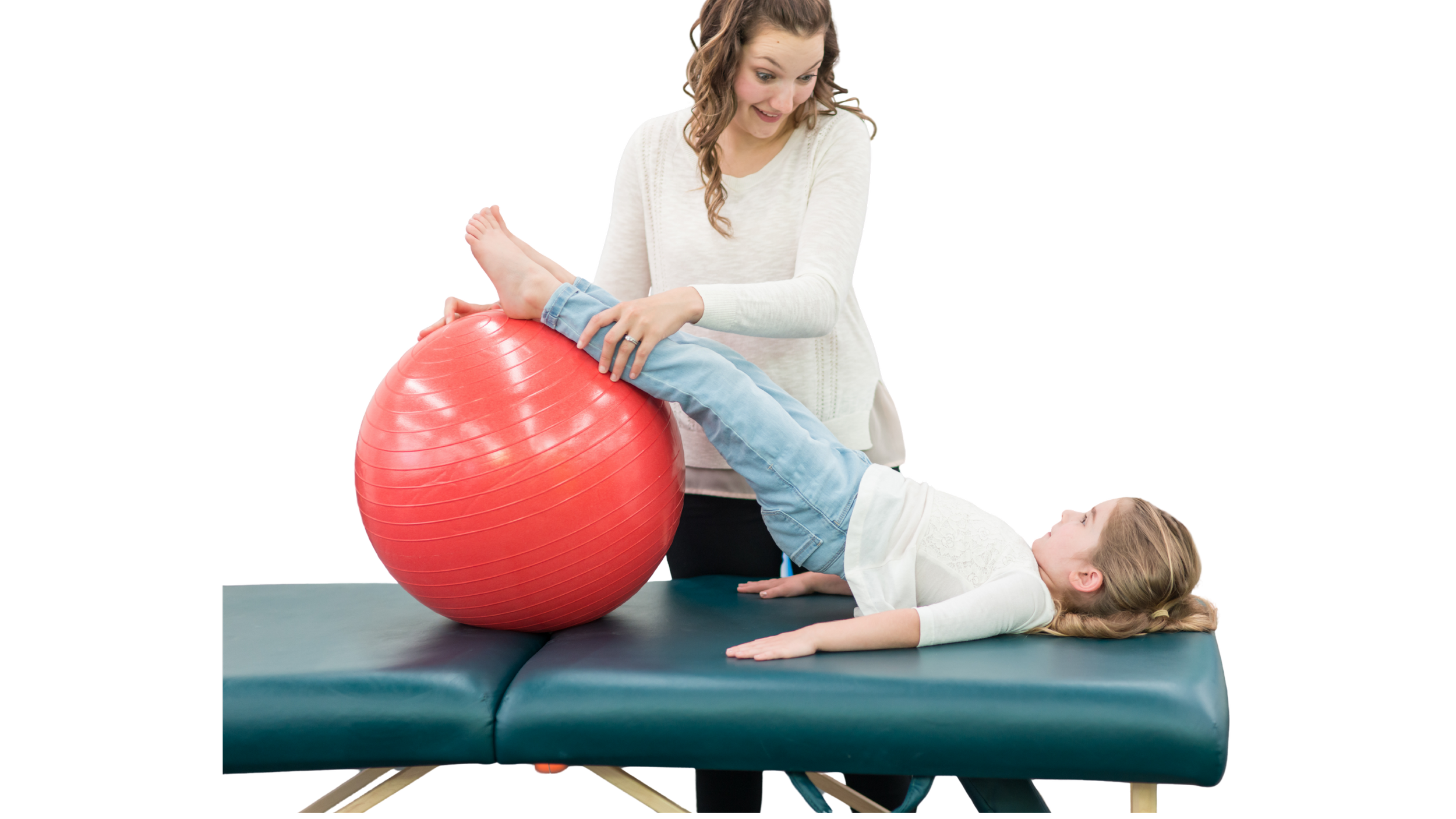
The posterior chain includes the glutes, hamstrings, and back muscles—all of which support upright posture and efficient walking. When these muscles are weak, a child may shift their weight forward onto their toes.
Signs may include:
Fatigue with walking or play
Poor balance or endurance
Difficulty maintaining upright posture
In pediatric PT, strength is built through play, targeting these muscles in ways that feel fun, engaging, and developmentally appropriate.
Toe Walking Is Often Multifactorial
In many cases, more than one factor is involved, which is why a full movement assessment matters. Toe walking isn’t always caused by tight muscles or sensory differences or strength alone—it’s often a combination.
Consider pediatric physical therapy if your child:
Toe walks past age 2–3
Can’t place heels down when asked
Has tight calves or limited ankle motion
Seeks or avoids movement or sensory input
Trips, falls, or fatigues easily
Toe walks more on one side than the other
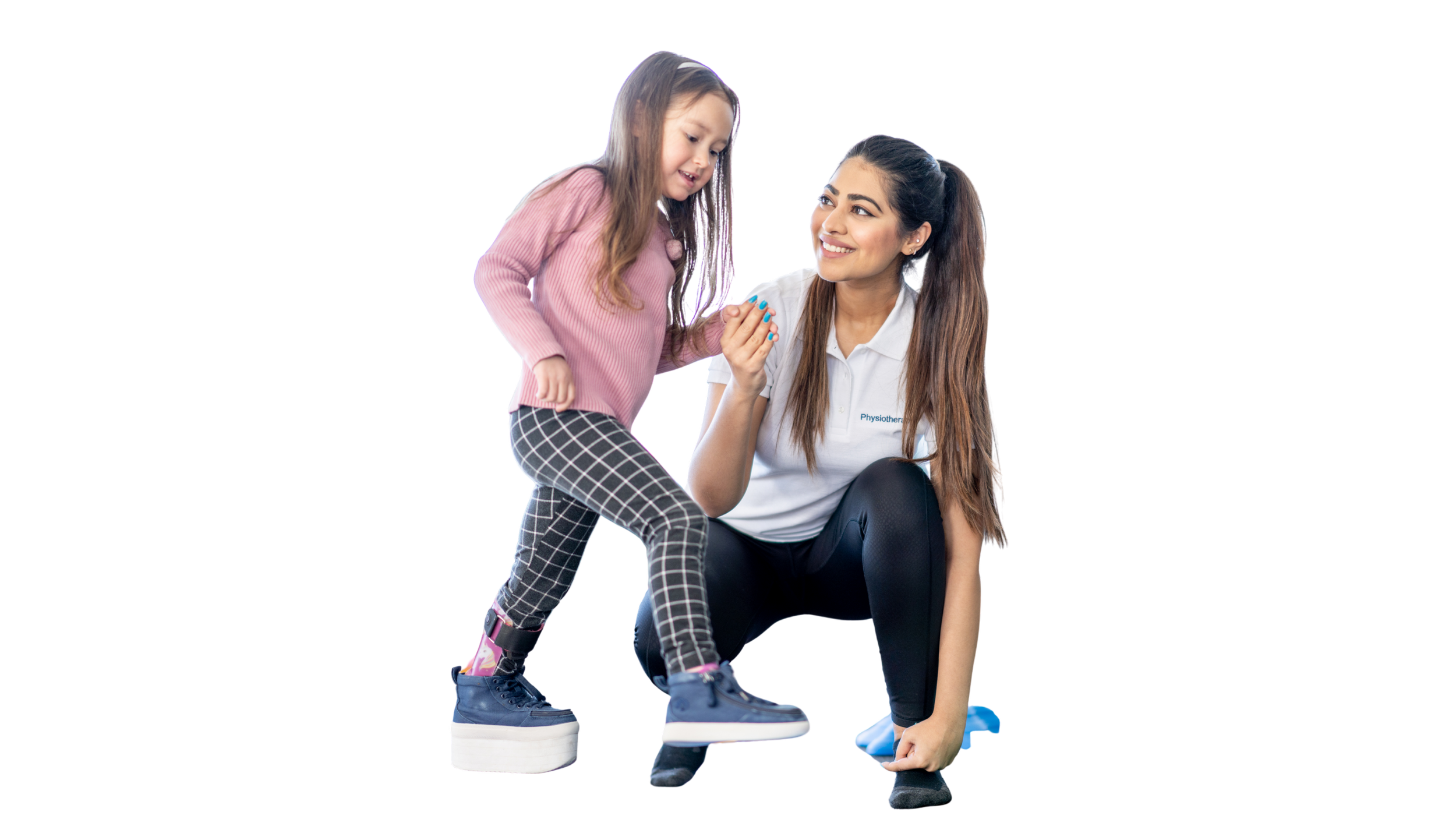
Early support can make a big difference, helping children build strength, coordination, confidence, and more efficient movement patterns.